
Introduction
Most backyard disappointments trace back to one root cause: the design was chosen before the ground was ever understood. They find a design they saw online, plant whatever looks pretty at the store, and pour a patio where they think it makes sense, only to see water pool in the wrong corner or plants die in a season. None of this is bad luck; it’s the predictable result of skipping the groundwork. Our team at Brookside builds every landscape design project from the soil up, precisely so these problems never surface later.
This blog explains what good landscape planning really entails, covering everything from reading your soil correctly and knowing local drainage needs to choosing a style that’s right for your property and avoiding the mistakes that quietly sabotage backyard projects. You will leave knowing the difference between a yard that thrives and one that fights you every season.
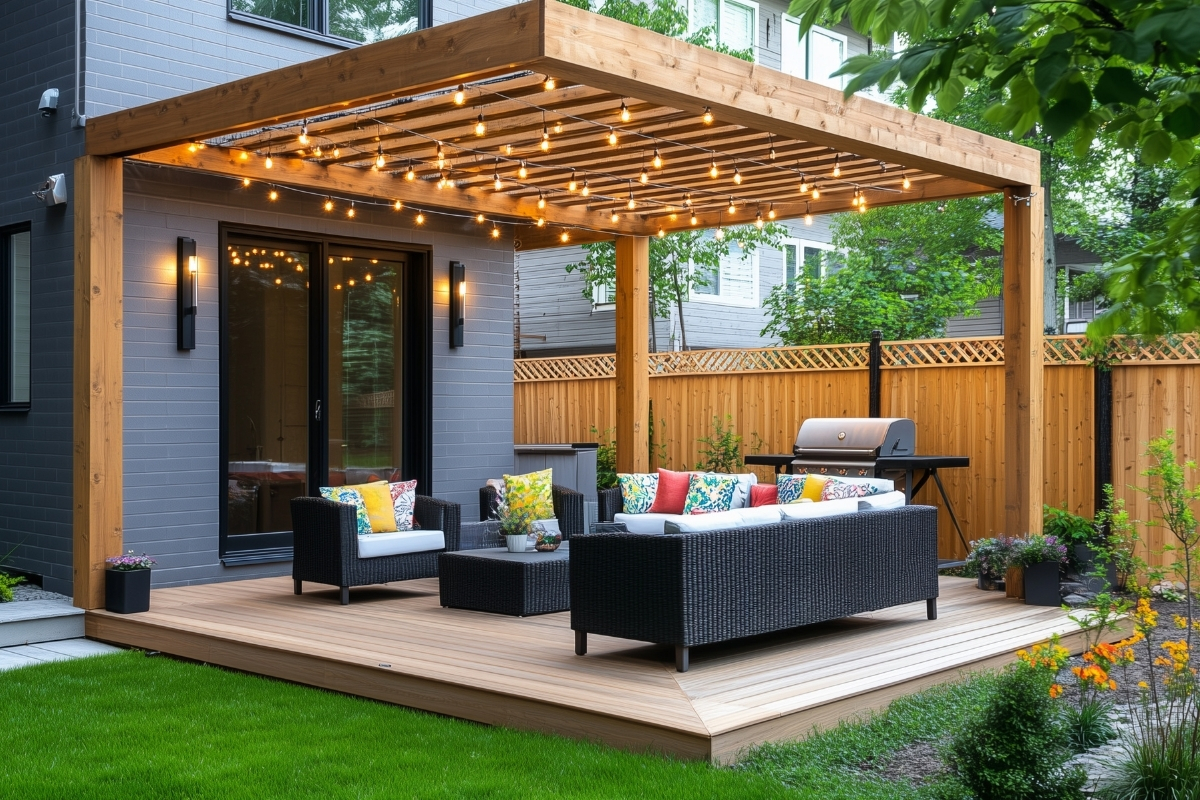
Why Outdoor Living Spaces Are Important for Modern Families
A backyard is no longer just a patch of grass behind the house. It’s where families eat dinner, kids play, and evenings are spent outside instead of in front of a screen. Virginia Tech Extension reports that good landscaping can boost a home’s perceived value by 5.5% to 11.4%. It’s less about the size of the yard and more about the quality of the design and the maturity of the plants. That gap between a “fine” yard and a genuinely valuable one usually comes down to planning, not the latest landscaping ideas pulled from a feed.
A yard designed around guesswork doesn’t just underperform; it actively works against you every rainy season.
-
Evaluating Your Outdoor Space Before Designing
Before a single plant goes in the ground, the site itself has to be read correctly. In the Puget Sound region, this is a step that matters more than most homeowners think because the soil and drainage rules are unusually specific.
-
What Your Soil Type Actually Tells You
Properties in Western Washington generally fall into one of three glacial soil types: outwash, till, or lacustrine. Outwash has little organic matter, but drains quickly. The soil is shallow and well-drained. Lacustrine soil, prevalent in low-lying yards, retains moisture and drains poorly. The most common reason new landscapes fail within their first year is that they have the wrong species planted in the wrong soil type.
| Soil Type | Drainage | Common Risk If Ignored |
| Outwash | Fast, low organic matter | Plants dry out, need frequent watering |
| Till | Well-drained, shallow | Roots struggle to establish depth |
| Lacustrine | Slow, high clay content | Standing water, root rot |
-
Kitsap County’s Drainage Code and What It Means for Your Yard
Kitsap County’s stormwater code requires that planting beds disturbed during construction have a minimum organic matter content of 8%, which is generally achieved with a mix of 35% compost/65% mineral soil. If you skip this step, new plantings may not take hold, and runoff that is not well-managed can lead to standing water or erosion that spreads to neighboring property. This is not a suggestion; this is a documented requirement based on how the county manages hard surfaces and infiltration.
Choosing the Right Landscaping Style for Your Property
Style should follow site conditions, not the other way around. A modern landscape design with clean hardscape lines suits a flat, well-drained lot, while a naturalistic layout with curved beds often performs better on sloped or moisture-retentive ground. If you pick a style before you understand the property, you will usually be fighting the land for years to come.
How to Select the Right Plants and Materials
Plant selection in this region isn’t just about appearance; it is about surviving a climate that goes from 40 inches of annual rainfall to almost none every summer.
The Establishment Window Most Homeowners Skip
WSU Extension research shows perennials need consistent watering through their entire first growing season, while trees and shrubs may need regular irrigation for up to three years before their root systems are fully established. Homeowners who stop watering “drought-tolerant” natives too early are the main reason those plants die by late summer, not the plants themselves.
Common Landscape Design Mistakes to Avoid
- Ignoring soil type before selecting plants.
- Grading a yard without accounting for where water will end up.
- Overplanting beds that outgrow their space within two seasons.
- Treating irrigation as optional once plants are “established” is too early.
- Skipping a written plan and building the yard in disconnected pieces.
Each of these mistakes is avoidable, and each one compounds the longer it goes unaddressed in a backyard landscaping project.
Why Professional Landscape Design Matters
This is exactly where professional landscaping earns its value. Brookside works with a People, Process, Product approach. Experienced hands, a consistent process, and a finished result all have to hold up together. Our team has 25 years of combined, hands-on landscaping experience. Outdoor landscape design done this way accounts for soil, drainage code, plant compatibility, and long-term maintenance simultaneously, rather than discovering conflicts between them after installation.
Landscaping Features That Increase Property Value
The National Association of Realtors’ Remodeling Impact Report revealed that most real estate agents think curb appeal is essential for attracting buyers, and most advise a landscape refresh before putting a home on the market. Features with the strongest track record include mature, well-maintained beds, water features, defined patios, and cohesive residential landscaping that reads as intentional rather than assembled piece by piece.
Getting Your Outdoor Living Space Right the First Time
Planning a backyard that lasts is all in the order: know your soil and drainage, select a style that suits the land, pick plants adapted to the rainfall pattern of this region, and avoid the mistakes that quietly undo it all. Skip any one of these steps, and the yard will eventually tell you, typically through a dead planting bed or a flooded corner.
At Brookside Landscape & Design, this sequence is built into every project we take on, whether it’s in Bremerton, Silverdale, Poulsbo, Gig Harbor, Bainbridge Island, Port Orchard, Hansville, Kingston, WA, or Port Ludlow, WA. Our landscape installation and landscaping services are grounded in local soil conditions and county drainage requirements, not generic templates, and our team’s combined experience means the plan holds up long after installation day.
If your yard needs a plan built around how this region’s ground actually behaves, our team is ready to walk you through it. Call Brookside today at (360) 434-6102 to get started.